
Accidental damage cover is often considered when households want protection for everyday mishaps, such as a spill on a rug or a dropped television. Its value depends on the wording, excess and the kinds of losses you can reasonably imagine.
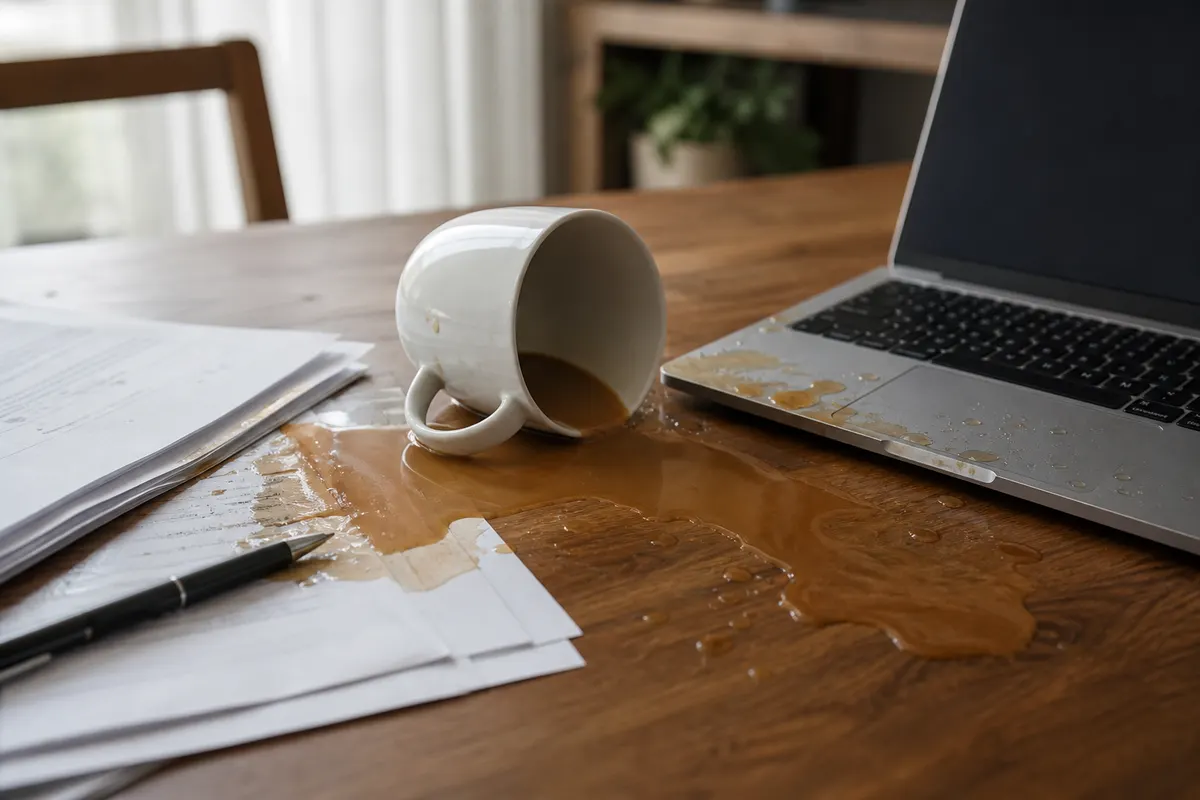
Separate sudden accidents from gradual damage
A sudden, unintended event may be treated differently from scratching, fading, deterioration, insects or poor maintenance. The distinction is often central to whether an accidental-damage extension is relevant.
Compare cost against likely use
Consider the extra premium and excess alongside your household's appetite for self-funding smaller losses. Cover is not necessarily useful merely because an item is expensive; per-item limits and exclusions can still constrain a claim.
Read exclusions before relying on examples
Advertising-style examples never replace the PDS. Pay attention to electronics, tenant damage, pets, deliberate acts and items used for business. Ask questions in writing where a scenario is important to you.
“Useful optional cover is specific: you know what problem it is meant to solve.”
Test a realistic household scenario
Instead of treating accidental damage as an abstract add-on, name the incidents that concern you: a visitor spilling paint, a child breaking a fixed glass panel or a television knocked from a cabinet. Then read the definition, exclusions, excess and item limits against each scenario. Do not assume an example applies if the event involved pets, tenants, deliberate conduct or work equipment.
Consider the size of loss you would actually claim. Paying an excess and making a claim for a modest repair may not be worthwhile, especially if the policy has conditions around future premiums or discounts. The purpose of cover is not to remove every minor expense from a household budget.
Keep maintenance separate
Cleaning, servicing and timely repair remain important. A leak that develops over time, a worn seal or fading surface can be treated differently from a one-off accident. Take photos and keep repair invoices when an incident happens, but do not turn a safety issue into a documentation exercise before making it safe.
- Read the accidental-damage definition and exclusions.
- Compare the additional premium with the excess.
- Check per-item and category limits.
- Keep photos and purchase records for expensive items.
- Review the option after household circumstances change.
Optional cover is easiest to assess when the household understands both the problem it may solve and the losses it still leaves to ordinary maintenance or savings.