
Queensland renters often assume the building owner's policy will look after everything after water enters a home. It usually concerns the building; your furniture, clothes, electronics and other belongings are a separate question. Flood is especially important because policies define it carefully.
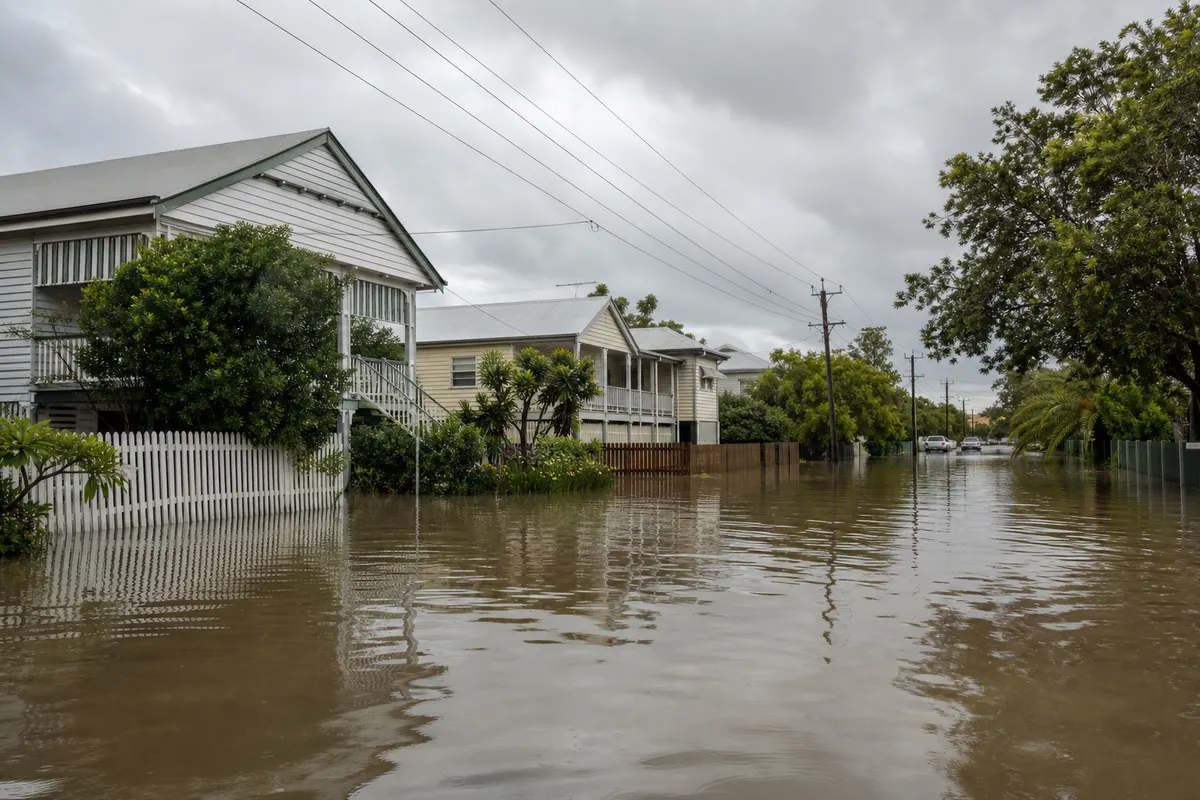
Know what flood means in the wording
Many policies define flood as water escaping or released from a lake, river, creek, reservoir, canal or other natural watercourse. Rain entering through a damaged roof, overflowing gutters or a burst pipe may be assessed differently. Read the definition and exclusions rather than relying on the everyday meaning of flood.
Separate building loss from contents loss
The landlord may arrange repairs to walls, floors and fixed fittings. A tenant's contents policy may be relevant to a soaked sofa, laptop or clothing, subject to cover and limits. Photograph your belongings periodically and keep receipts for significant purchases where practical.
Act safely after water arrives
Follow emergency advice, avoid electrical hazards and tell the property manager promptly. Do not discard damaged items before documenting them unless they are unsafe or authorities direct otherwise. A simple timeline of weather, water entry and conversations can make later discussions clearer.
Ask about temporary living costs early
A soaked rental may be unsafe or impractical to occupy even when the damage is mainly to the building. Check the lease, speak with the property manager and read the additional living expenses section of your own wording. That section may have a dollar limit, time limit and requirement that the loss is caused by an insured event; it is not a general payment for choosing to move.
Keep the difference between normal and extra costs clear. A short-term stay, extra travel from a temporary address and laundry costs can be easier to explain when receipts and dates are retained. If friends or family offer a place to stay, note that too, rather than inventing an accommodation cost that was never incurred.
Check limits before a weather warning
Do a room-by-room estimate while life is ordinary. Include bedding, kitchenware, clothing, furniture and the contents of storage cages, not just visible electronics. A total contents sum insured can be inadequate long before a single expensive item exceeds its own category limit. Updating an inventory after a move or a major purchase is usually simpler than trying to remember everything after water damage.
- Read the policy definition of flood and related water damage.
- Keep a dated contents inventory away from the rental.
- Record the weather event, entry point and affected rooms.
- Save receipts for reasonable temporary measures and extra costs.
- Tell the property manager about building damage promptly.
Water events can involve the owner, agent, emergency services and an insurer at the same time. Keeping each discussion factual helps everyone identify the next practical step without assuming that one person’s cover automatically protects another person’s belongings.