
Solar panels are a long-term home improvement, but they also change the building you are asking to insure. Whether panels are included under building cover depends on the policy definition, installation arrangement and information supplied.
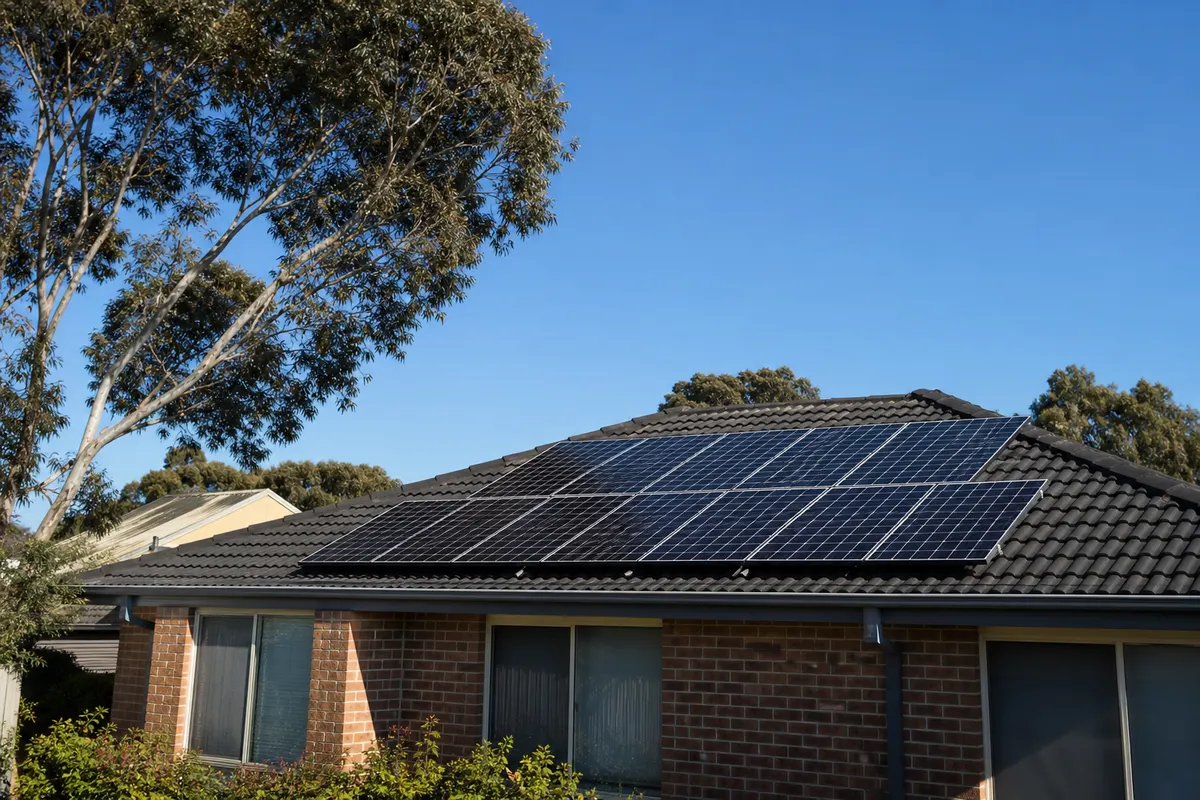
Confirm ownership and attachment
Owned rooftop panels permanently attached to the home may be treated differently from leased equipment or a battery stored separately. The policy schedule and definition of building fixtures provide the starting point.
Update the rebuilding amount
Replacement after a major loss can involve panels, mounting, wiring and compliance work. Include those costs when considering the building sum insured. Installation invoices, specifications and warranties are worth retaining.
| Detail | Why keep it? |
|---|---|
| Invoice | Shows cost and installer. |
| System specification | Identifies capacity and components. |
| Photos | Shows configuration before damage. |
Consider storm and electrical risks
Hail, wind, fire and power events can be treated under different terms. Do not assume a manufacturer warranty and an insurance policy do the same job; read each document for its own scope.
Account for every component
A solar installation can include panels, mounting hardware, inverter, isolators, wiring, monitoring equipment and sometimes a battery. Replacing one damaged component may also require compliance work or matching equipment. Keep the system specification, warranty and installer details with building records.
Tell the insurer about changes that affect the building or its replacement cost, including an added battery. Do not rely on an old building estimate that predates the installation.
Separate warranties from insured events
A product warranty may address a manufacturing defect, while building cover may address a sudden insured event subject to its terms. Neither document is a substitute for the other. Check excesses, exclusions and requirements for electrical work after a loss.
“A complete installation record makes it easier to identify what was on the roof before an event, not just what the panels looked like from the street.”